Live near Lakewood Ranch Boulevard or University Parkway and wish your home felt quieter inside? You are not alone. Traffic on key corridors can be steady, and even within legal limits it can still affect sleep and comfort. In this guide, you will learn practical soundproofing steps that fit Lakewood Ranch rules, climate, and HOA expectations so you can dial down the noise without guesswork. Let’s dive in.
Why traffic noise is common in Lakewood Ranch
Lakewood Ranch is growing fast, and several busy corridors carry daily traffic that residents notice. Local reporting highlights improvements and high volumes along Lakewood Ranch Boulevard, with traffic shaping projects continuing to evolve patterns over time according to recent coverage.
Corridors to keep on your radar
- Lakewood Ranch Boulevard
- University Parkway
- State Road 64
- Lorraine Road
- State Road 70
What local rules mean for you
Manatee County enforces noise rules with decibel thresholds, yet those limits do not guarantee a quiet interior. Local coverage summarizes how the ordinance works and how it is enforced in Manatee County. The takeaway is simple. Exterior noise can be legal, and you can still want a calmer interior, which is where in‑home mitigation comes in.
Soundproofing basics you can trust
Effective soundproofing is a layered strategy. You treat gaps and seams, upgrade weak links like windows and doors, and add mass and damping where needed. A few key terms help you compare options.
STC and OITC explained
- STC measures how well a wall, window, or door blocks mid to high frequencies. Higher STC means better blocking. Typical single‑pane windows are often in the high 20s, while purpose‑built acoustic or laminated systems can reach much higher per industry data.
- OITC emphasizes lower frequencies that come from traffic and heavy vehicles. Assemblies that add mass, decouple structure, or use damping perform best at these hard‑to‑block lows as explained by glass acoustics research.
The layered approach that works
No single fix solves everything. You will get the best results by combining:
- Source and path treatments, like windows and doors.
- Sealing flanking paths, such as gaps and penetrations.
- Receiver treatments, like drapes and rugs, to reduce reverberation.
Quick wins you can do now
These are low cost, fast to implement, and great for immediate comfort or pre‑listing prep.
- Seal air gaps around window and door frames. Replace worn weatherstripping and add door sweeps. Small gaps leak a surprising amount of sound.
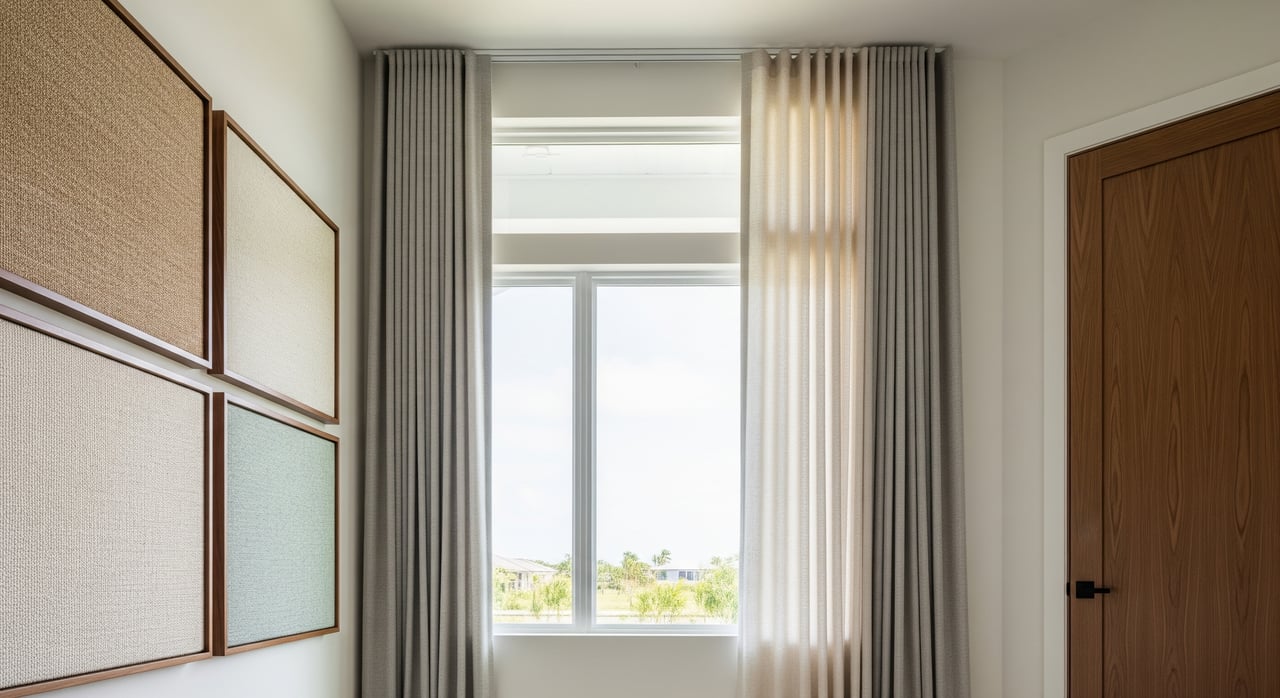
- Hang heavy, full‑coverage drapery over noisy‑side windows. Acoustic or thermal curtains that cover past the jambs and soffit help tame higher‑frequency noise and reduce echo.
- Add soft finishes like area rugs, upholstered pieces, and bookcases on noisy walls to reduce reflections in key rooms.
Smart upgrades for lasting results
These investments pay off over time and are well suited to Lakewood Ranch’s climate.
Windows that make a difference
- Secondary glazing or window inserts. Interior acoustic panels create a sealed air gap and often deliver a strong jump in window STC without altering the exterior look, which can help with HOA compatibility per acoustic window guidance.
- Laminated acoustic glass and improved frames. Laminated interlayers, mixed glass thicknesses, and tighter seals can boost both STC and low‑frequency performance. In Florida, consider impact‑rated laminated options for storm resilience, and confirm Manatee County permit requirements for replacement work based on county guidance and your HOA design rules.
Doors and small gaps
- Upgrade hollow‑core interior doors to solid‑core with perimeter gasketing and an automatic bottom seal. Exterior doors should be heavy and well sealed. Closing these weak links noticeably reduces room‑to‑room and exterior noise.
- Seal penetrations around outlets, plumbing, and HVAC chases. Use acoustical sealant at wall and ceiling perimeters to cut flanking transmission.
Walls and structure
- Add mass and damping with a second layer of drywall and a viscoelastic damping compound. This is a proven way to raise wall STC when rooms face a busy corridor.
- Decouple where feasible using resilient channels or clip systems before adding new drywall. This reduces vibration passing through studs and improves low‑frequency control.
Outside strategies that help
Exterior tactics improve results when used with interior upgrades.
Landscaping vs hard barriers
- Vegetation offers modest acoustic reduction on its own. Dense, wide plantings help psychologically and visually, but meaningful decibel cuts usually need much more width or earthworks per FHWA guidance.
- Solid barriers like a continuous fence, wall, or berm that blocks line of sight can reduce sound by about 5 to 15 or more depending on height and placement. Always check HOA rules and any easements before planning a barrier.
Permits, HOA approvals, and timing
Lakewood Ranch villages often require Architectural Review approval for exterior changes, including window style or color. Many like‑for‑like replacements still need filings, so check your village’s ACC guidelines and timelines on the HOA site.
Manatee County typically requires permits for exterior replacements, including windows and doors. The county has shared temporary fee waivers for standard door and window replacements related to 2024 hurricane recovery, but permit scope and reviews still apply. Confirm requirements with Development Services before ordering materials using the county’s announcement.
Plan your sequence and budget
- Start with sealing and doors, then layer in drapes and rugs.
- Target the loudest rooms first, usually bedrooms facing a corridor.
- Move to windows with secondary glazing or laminated upgrades if noise persists.
- Reserve wall upgrades for final polish in specific rooms.
- For budgeting, national averages for replacement windows commonly range from a few hundred to over a thousand dollars per unit depending on size and spec per cost reporting. Always get multiple quotes and confirm permit and HOA needs first.
Buyer checklist for showings
- Visit at different times, such as morning and late afternoon. Stand in key rooms with windows closed and then open.
- Note which rooms face corridors and whether windows are single pane or laminated, and whether doors are solid or hollow.
- Ask for documentation, including permits, ACC approvals, and specs for any window or door upgrades.
- Map the issue with the free NIOSH Sound Level Meter app to get a quick snapshot and identify hot spots per NIOSH guidance.
Seller checklist to boost appeal
- Seal window and door gaps, refresh weatherstripping, add door sweeps, and hang heavier drapes in key rooms before photos and showings.
- If budget allows, prioritize the noisiest bedroom windows for secondary glazing or laminated units.
- Keep permits, HOA approvals, and contractor warranties organized. Clear records help buyers feel confident and can reduce friction during negotiation.
Ready to create a quieter, more marketable home near Lakewood Ranch’s busy corridors? For tailored guidance on upgrades that support comfort and resale value, connect with Frank Morin to plan your next move with a refined, data‑driven approach.
FAQs
What are the best first steps to cut traffic noise in a Lakewood Ranch home?
- Start with sealing window and door gaps, add or refresh weatherstripping and door sweeps, then layer in heavy drapes and rugs before considering window or wall upgrades.
Which Lakewood Ranch corridors most often affect nearby homes?
- Residents commonly note Lakewood Ranch Boulevard, University Parkway, State Road 64, Lorraine Road, and State Road 70 as frequent sources for traffic noise, with ongoing improvements reported along major routes.
How do STC and OITC ratings help me choose windows?
- STC compares blocking of mid to high frequencies while OITC addresses lower traffic rumbles; laminated glass, mixed pane thicknesses, and better seals often raise both ratings for real‑world gains.
Do I need HOA approval or a county permit for window changes?
- Most villages require Architectural Review for exterior window replacements, and Manatee County typically requires permits for window and door projects, so confirm both before ordering materials.
Can trees alone quiet a backyard next to a busy road?
- Vegetation helps visually and can soften higher frequencies, but meaningful decibel reduction usually requires a solid barrier, a berm, or a combination placed to block line of sight.