On Casey Key, not all waterfront is equal. If you have heard the phrase “gulf-to-bay,” you might wonder why some lots command such striking premiums compared with other waterfront homes. You are weighing a major decision, and the details behind that premium can feel complex. In this guide, you will learn how gulf-to-bay parcels shape value, the tradeoffs to consider, and a practical way to assess pricing on Casey Key. Let’s dive in.
What gulf-to-bay means on Casey Key
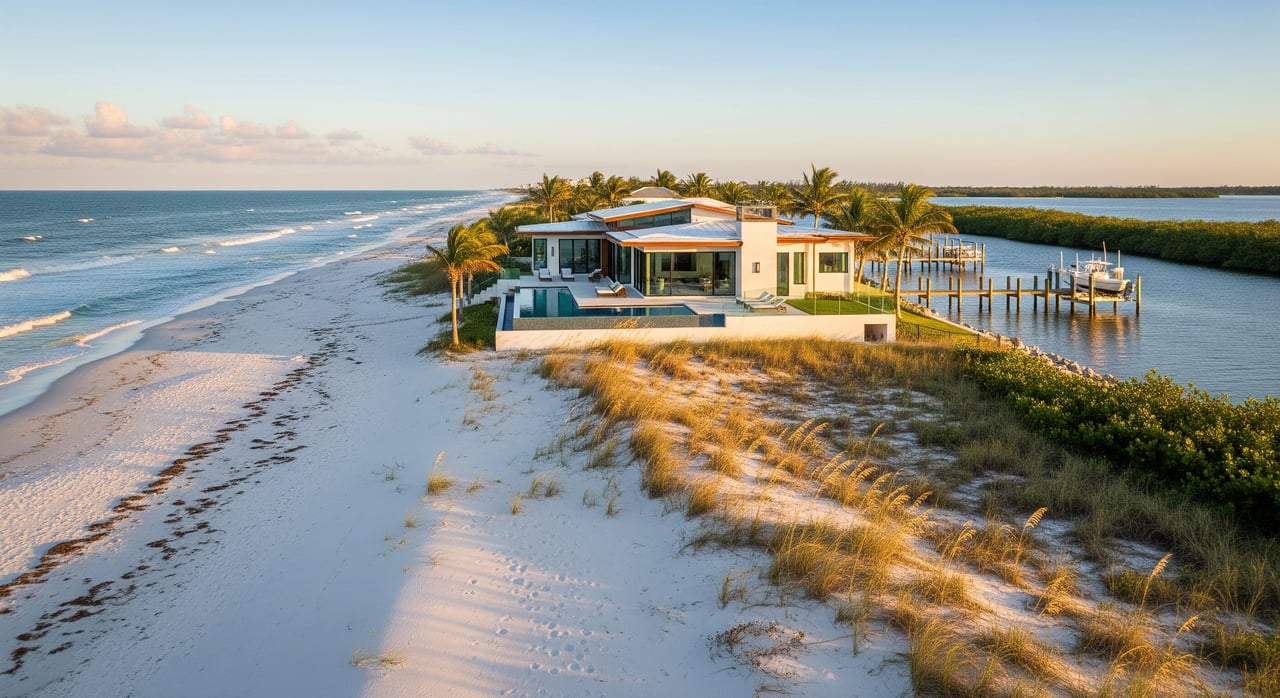
Casey Key is a narrow barrier island with the Gulf of Mexico to the west and Lemon Bay and the Intracoastal Waterway to the east. Most homes sit on single-frontage lots, either Gulf or bay. A smaller number span the island’s width, creating gulf-to-bay parcels with water on both sides.
This configuration is physically scarce. The island’s shape and early subdivision patterns left limited opportunities to own both frontages on one parcel. That scarcity is a structural supply constraint, which is a primary support for higher prices in this micro-market.
Why these parcels command premiums
Dual views and orientation
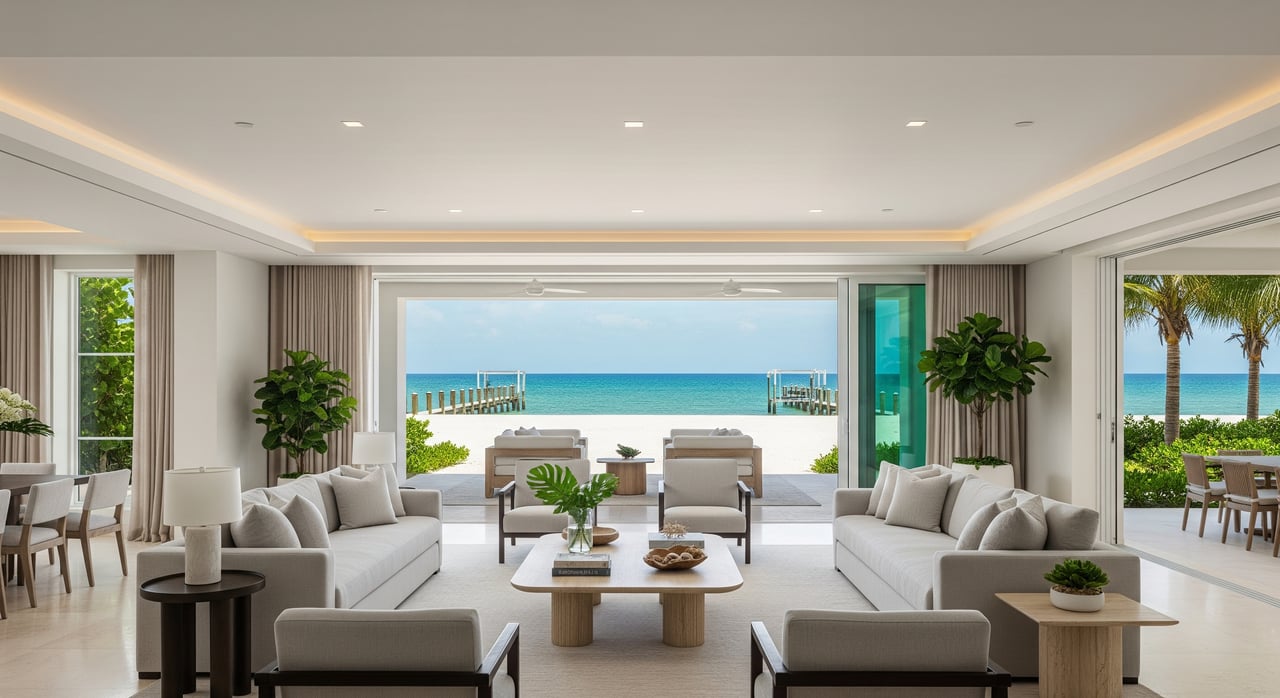
Gulf-to-bay lots capture sunrise over Lemon Bay and sunset over the Gulf. You can design living spaces to face both directions, increasing daylight, cross-breezes, and view exposure throughout the home. Luxury buyers often value this flexibility, and professionals typically capture it as a qualitative premium within comparable sales analyses.
Two types of frontage
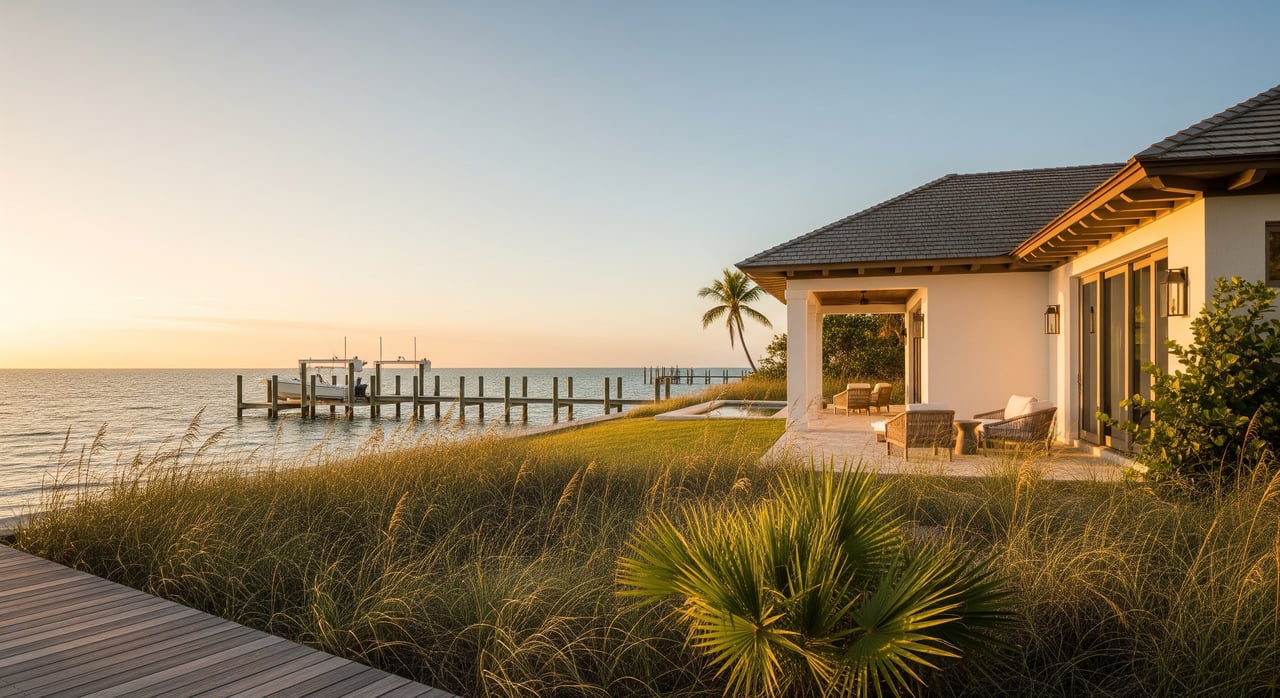
Value on these parcels often reflects two distinct assets: beachfront linear feet and dockable bay frontage. Gulf frontage offers private beach access and dunes. Bay frontage can provide sheltered water for a private dock, depending on depth and permitting. Many buyers value the combined “private water frontage” and express it through price per front foot for each side.
Privacy and lot depth
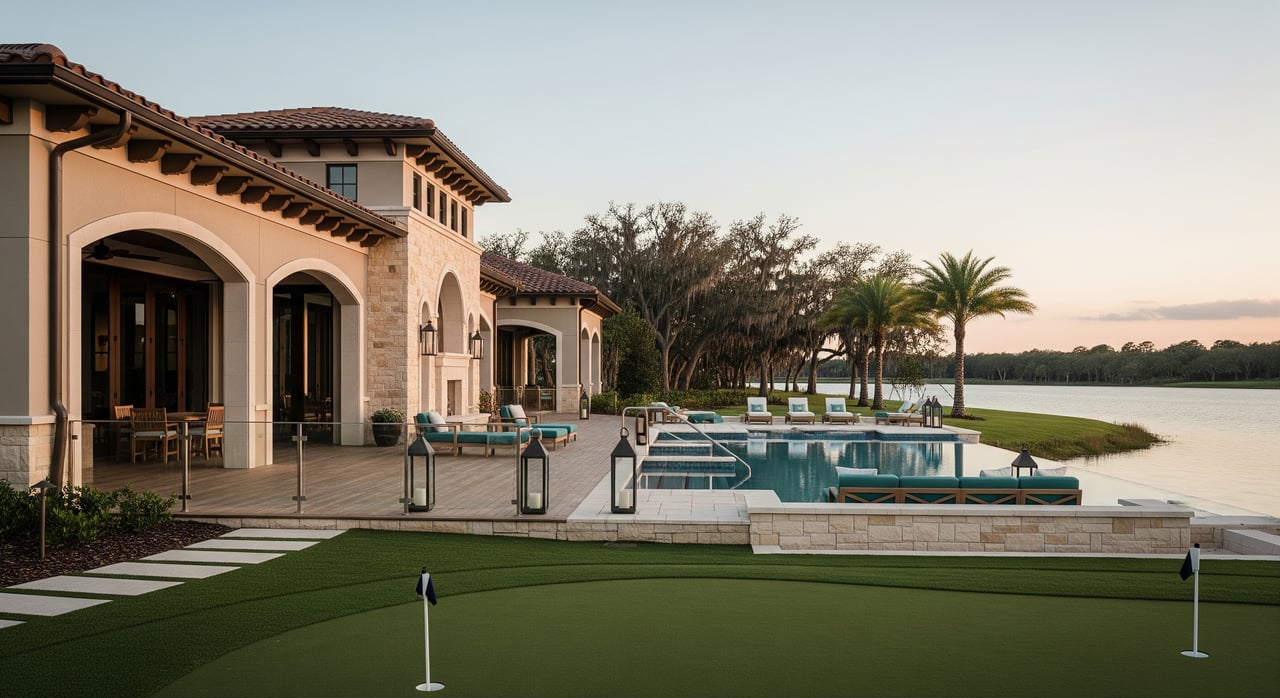
Because these lots span the island, they typically provide added depth for strategic landscaping and setbacks. That creates privacy and room for amenities like pools, garages, or service areas without sacrificing views. The dual-water identity also contributes to a perception of exclusivity, supporting premium pricing.
Boating convenience and maritime utility
When permissible, a private dock on the bay side offers straightforward access to the Intracoastal Waterway and routes to Gulf passes. For buyers who boat or fish, dockability and water depth are major value drivers. Practical factors such as channel proximity, seagrass, and permitted dock size directly influence utility and price.
How value differs from single-frontage homes
Value composition
Single-frontage Gulf homes concentrate value in beachfront lifestyle and surf-facing views. Single-frontage bay homes concentrate value in boating, quieter waters, and protected access. Gulf-to-bay parcels bundle both, often resulting in a higher aggregate value than assembling separate single-frontage alternatives, especially given scarcity and convenience.
Liquidity and buyer pool
Gulf-to-bay parcels appeal to a selective, often higher-net-worth buyer who wants both the beach and protected boating. That can support higher prices, though the buyer pool may be narrower. Single-frontage homes can reach broader audiences, which may influence days on market.
Renovation and redevelopment flexibility
Spanning the island can allow more flexible site planning and larger amenity layouts. Even so, buildable area is constrained by coastal rules, setbacks, and elevation requirements. Always review current zoning, coastal setback lines, and height and coverage limits before planning a major project.
Risks and due diligence that impact value
Coastal rules and environmental permits
Beachfront and bayside frontages often fall under different rules. The Florida Department of Environmental Protection and Sarasota County regulate coastal construction, dune protections, armoring, and shoreline work. On the bay side, dock location and size depend on water depth, seagrass, manatee habitat, and navigation channels. Expect distinct standards for each side of the parcel.
Flood, storm surge, and insurance
Barrier islands face flood and storm surge risk. FEMA flood zones, base flood elevations, and local floodplain requirements affect build design and insurance costs. Florida insurance trends, including wind and hurricane coverages, can change carrying costs and influence how buyers price risk.
Shoreline, dock, and submerged-land issues
Riparian rights, submerged lands, and accreted land can be complex in Florida. Dock feasibility depends on mean low water depth, channel access, and environmental protections. Seawalls, bulkheads, and shoreline stabilization add ongoing maintenance costs that you should budget into long-term ownership.
Title, easements, and utilities
On a narrow island, utility or drainage easements can run across a parcel and affect usable frontage. Some properties may rely on septic systems or private utilities, which can influence redevelopment options and approvals. Confirm recorded easements, right-of-way boundaries, and system capacities early in your evaluation.
How to quantify the premium
A disciplined valuation approach helps you understand what you are paying for and where to negotiate. Use recent Casey Key sales and break out value components rather than relying on a single price per square foot.
Metrics to collect
- Sale price and date for relevant Case Key comps within the past 12 to 24 months
- Lot configuration and dimensions: gulf-to-bay vs single-frontage, plus linear feet on both water sides
- Buildable area after setbacks, coastal lines, and elevation requirements
- On-site improvements: dock presence and condition, seawalls, permitted structures
- Dockability indicators: mean low water depth, distance to navigable channels or passes
- Insurance indicators: FEMA zone, elevation certificate, recent premium estimates if available
Practical steps
Assemble comparable sales. Prioritize Casey Key gulf-to-bay closings, then expand to nearest analogs if inventory is thin.
Normalize for size and improvements. Use price per land square foot and price per frontage foot for each water side. Adjust for age, condition, and whether a permitted dock exists.
Adjust for qualitative factors. Views, privacy, ease of docking, and regulatory constraints are significant. These adjustments are market-driven and should be grounded in local sales.
Account for carrying costs and risk. Estimate insurance, seawall and dock maintenance, and any special assessments. Reflect these as negative adjustments if they materially impact ownership costs.
Present a value range. Provide both as-is and highest-and-best-use scenarios if redevelopment is viable.
Common proxies professionals use
- Price per Gulf beachfront linear foot and price per bay frontage foot, combined carefully for total exposure
- Price per buildable square foot after setbacks and elevation requirements for redevelopment comparisons
- Discrete dock value when a permitted, deep-water private dock exists, supported by recent local sales
Buyer and seller checklists
Use these quick references to streamline your diligence and keep negotiations focused on value drivers.
Buyer checklist
- Confirm the parcel is truly gulf-to-bay in public records and map the lot lines.
- Verify dock feasibility: depth at mean low water, channel access, and environmental constraints.
- Review coastal setback lines, building height and coverage limits, and flood elevation needs.
- Obtain or review an elevation certificate and estimate flood and wind insurance costs.
- Inspect seawalls, bulkheads, and shoreline stabilization; budget for maintenance.
- Confirm utilities, septic or sewer status, and any easements that affect use.
Seller checklist
- Compile surveys, permits, and documentation for docks, seawalls, and improvements.
- Highlight linear feet on both frontages, dock specifications, and view corridors.
- Provide recent maintenance records and insurance information if available.
- Prepare a concise comp set demonstrating gulf-to-bay premiums versus nearby single-frontage sales.
- Stage and photograph to showcase dual-view living areas and outdoor spaces.
Emerging factors to watch
Insurance market shifts and rising awareness of coastal risk can influence buyer behavior and carrying costs. Regulatory changes related to coastal protection, seagrass, or dock permitting may affect future dockability. While structural scarcity continues to support premiums, smart buyers and sellers are weighing upfront price against long-term ownership risk and maintenance.
Next steps
If you are evaluating gulf-to-bay opportunities on Casey Key, focus on three pillars: frontage and views, dockability and access, and regulatory and risk context. A clear, data-backed valuation that separates those factors will help you move with confidence. For sellers, curated presentation and verified documentation of both frontages can unlock stronger outcomes. For buyers, targeted diligence and early access to the right parcels can save time and reduce surprises.
Ready to assess a specific property or build a list of on- and off-market options? Connect with Frank Morin for a confidential, data-driven consultation tailored to Casey Key’s gulf-to-bay micro-market.
FAQs
What is a gulf-to-bay lot on Casey Key?
- A gulf-to-bay lot spans the island’s width with frontage on the Gulf of Mexico and Lemon Bay/Intracoastal on one parcel.
Why do gulf-to-bay parcels cost more than single-frontage homes?
- They combine beachfront amenity and dockable bay access on one title, and this scarce configuration typically commands a premium.
How do I measure waterfront value on these lots?
- Track linear feet of Gulf and bay frontage separately, then analyze price per front foot and per buildable square foot using recent Casey Key comps.
Can every bayside frontage support a private dock?
- No; feasibility depends on water depth, channel proximity, environmental protections, and county and state permits.
How do flood zones and insurance affect value on Casey Key?
- FEMA flood zones, required elevations, and Florida wind and hurricane coverage can raise carrying costs and influence negotiated pricing.
What should sellers prepare to support a premium?
- Provide surveys, permits, dock specs, frontage measurements, maintenance records, and a comp set that shows gulf-to-bay advantages versus nearby single-frontage sales.