Wondering what day-to-day life on Casey Key really feels like? You want beauty and quiet, but you also need easy routines, reliable services, and a clear picture of ownership. This guide gives you the practical view: island access, beach and boating rhythms, errands and care, insurance and rules, and the checks to make before you buy. Let’s dive in.
Casey Key at a glance
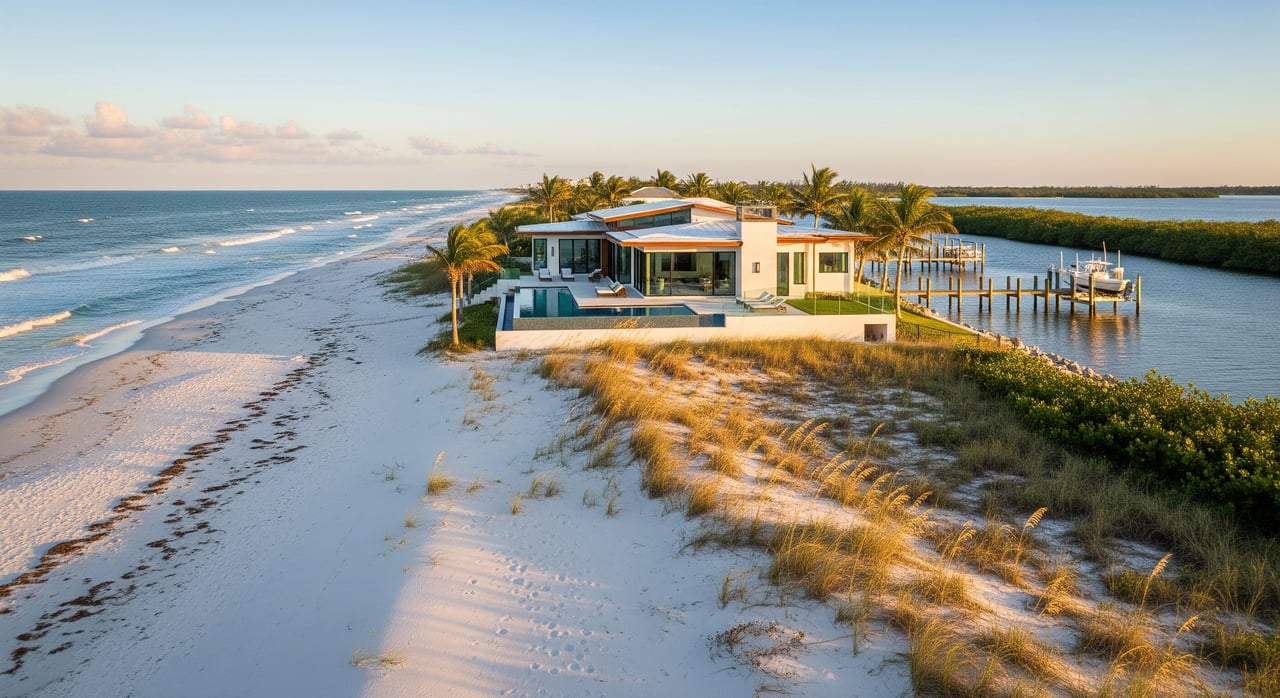
Casey Key is a narrow barrier island in Sarasota County with the Gulf on one side and intracoastal waters on the other. The shape of the island creates a waterfront feel in many neighborhoods and keeps roads and parking limited. Daily life often centers around the single main road and planned trips to the mainland for shopping, schools, and medical care.
Expect car-based living. Public transit on barrier islands is limited, and schedules may not reach every part of the island. Seasonal swings are common. Winter months typically bring more visitors, busier restaurants, and more traffic, while summer is quieter with afternoon showers.
Getting around and daily logistics
Access is by bridges that connect the island to the mainland. On-island streets are narrow in places, and guest parking can be tight, so confirm any neighborhood rules before hosting larger gatherings. Deliveries and contractors often run set routes and may need coordination for oversized items.
Utilities vary by area. You will see county water and electric, plus either centralized sewer or septic depending on the address. Ask sellers or property managers to confirm garbage and recycling schedules, as these can differ on islands. Internet and cable service levels can also vary by street.
Everyday rhythms on the island
Beach life and access
You enjoy a classic Gulf routine. Mornings often mean quiet walks, shelling, or fishing. Midday is swim time, and sunset tends to draw neighbors to the sand.
In Florida the beach is public down to the mean high water line. Upland access can be private, so expect to use designated public access points and parking. Sea turtle nesting season typically runs May through October, and coastal lighting rules help protect hatchlings. Ask about lighting requirements and any seasonal restrictions before you change fixtures or trim vegetation near the dunes.
Boating and fishing
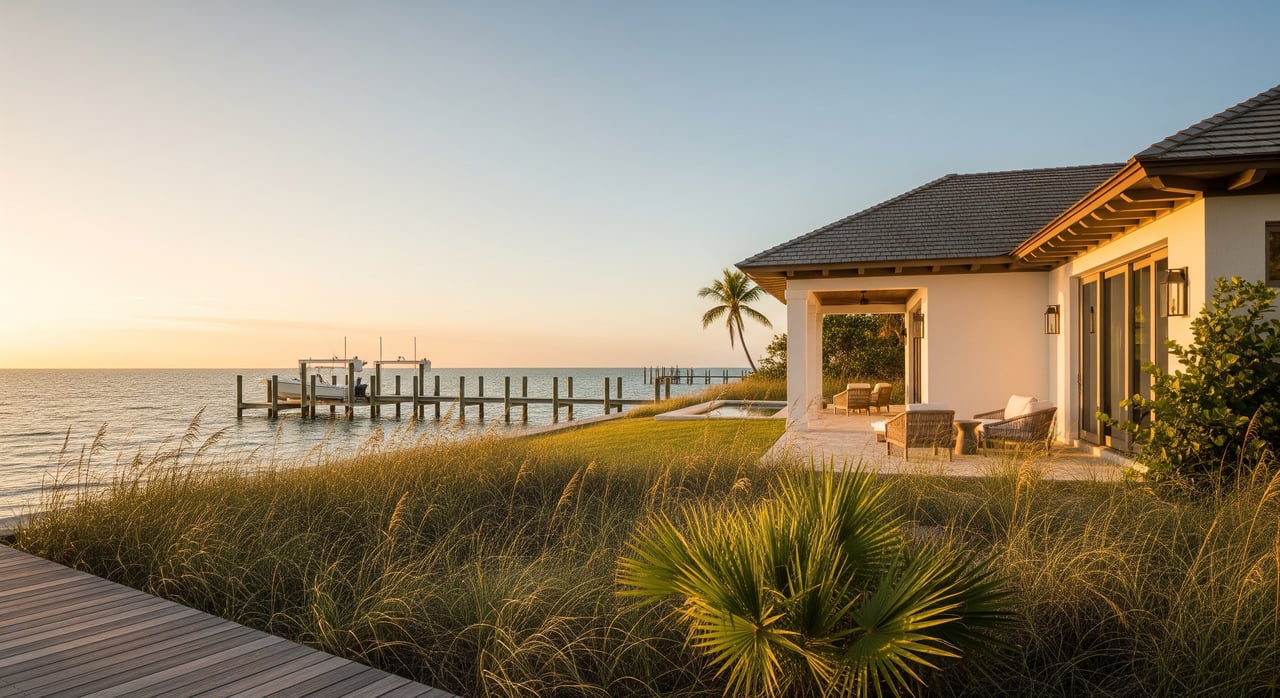
Back-bay waters are popular for kayaking, paddleboarding, and relaxed cruising. Inlets nearby provide access to the Gulf for fishing and day trips. If you plan to keep a boat, confirm water access, dock rights, and the closest public ramps or marinas on the mainland. Local tackle shops and charter operators can advise on seasonal species and license requirements.
Wildlife and stewardship
You will regularly see shorebirds, raptors, and seasonal sea turtle activity. Dune and mangrove areas are often protected, and work near the shoreline can require permits. If a property has a seawall or sits near eroding shoreline, ask for current permit and maintenance records.
Errands, dining, arts, and care
Groceries and shopping
Plan short drives to the mainland for full grocery runs and specialty shops. Small convenience options may be close by, but bulk shopping and services are typically in Nokomis, Venice, or Sarasota.
Dining and culture
You will find casual island moments at sunset, then head to nearby Venice or Sarasota for broader dining and nightlife. Sarasota is a regional arts hub with institutions like the John and Mable Ringling Museum and Sarasota Opera, and Venice offers a historic downtown with local events.
Health care and schools
Primary and emergency care are on the mainland, with hospitals and urgent care clinics in Venice and Sarasota. For families, public school assignments are managed by Sarasota County Schools. Confirm zones, bus options, and commute times before you decide on full-time residency. Some residents choose private schools in the region.
Owning a home on Casey Key
Housing and market character
Homes skew toward single-family properties with Gulf or intracoastal frontage, along with select vacant lots. Scarcity and waterfront access often mean premium prices compared with nearby mainland areas. Inventory can be tight and seasonally driven, with many second-home or investor buyers in the mix.
Insurance, flood, and wind
Barrier islands carry higher exposure to flood, wind, and storm surge. Many addresses fall within FEMA flood zones, and flood insurance is commonly required by lenders. Windstorm coverage and mitigation features like impact-rated windows and doors can influence costs. Ask for the elevation certificate, any mitigation inspections, and recent insurance quotes early in your process.
Erosion, shoreline, and permits
Some properties have seawalls or revetments, while others face natural shoreline change. Coastal construction and repair often require county and state permits, and timelines can be longer than on the mainland. If you plan a renovation, confirm permitting paths and whether your scope will trigger current hurricane code standards.
Taxes, rentals, and rules
Property taxes follow Sarasota County schedules and reflect assessed value, which can be higher for waterfront. If you plan to rent, verify county rules for short-term rentals, registration and taxes, plus any HOA covenants. Regulations can change and are enforced at the county or neighborhood level.
Maintenance realities
Salt air and sun accelerate wear on metal, paint, roofs, decks, and outdoor systems. Budget for proactive maintenance, coastal-grade finishes, and salt-tolerant landscaping. Near the dunes and mangroves, vegetation changes can be restricted, so confirm what is allowed before altering plantings or structures.
A sensible buyer checklist
- Visit public beach access points and note parking, walkways, and typical crowd patterns.
- Confirm zoning, HOA rules, and any short-term rental requirements for your target property.
- Obtain FEMA flood map status and the property’s elevation certificate.
- Request recent quotes for homeowner, flood, and windstorm insurance before you offer.
- Ask about utilities, broadband providers, and garbage and recycling schedules.
- Check local sea turtle lighting rules and any dune or shoreline protection constraints.
- If boating is central to your lifestyle, verify dock rights, water depth, and the nearest ramps or marinas you would use.
Is Casey Key right for you?
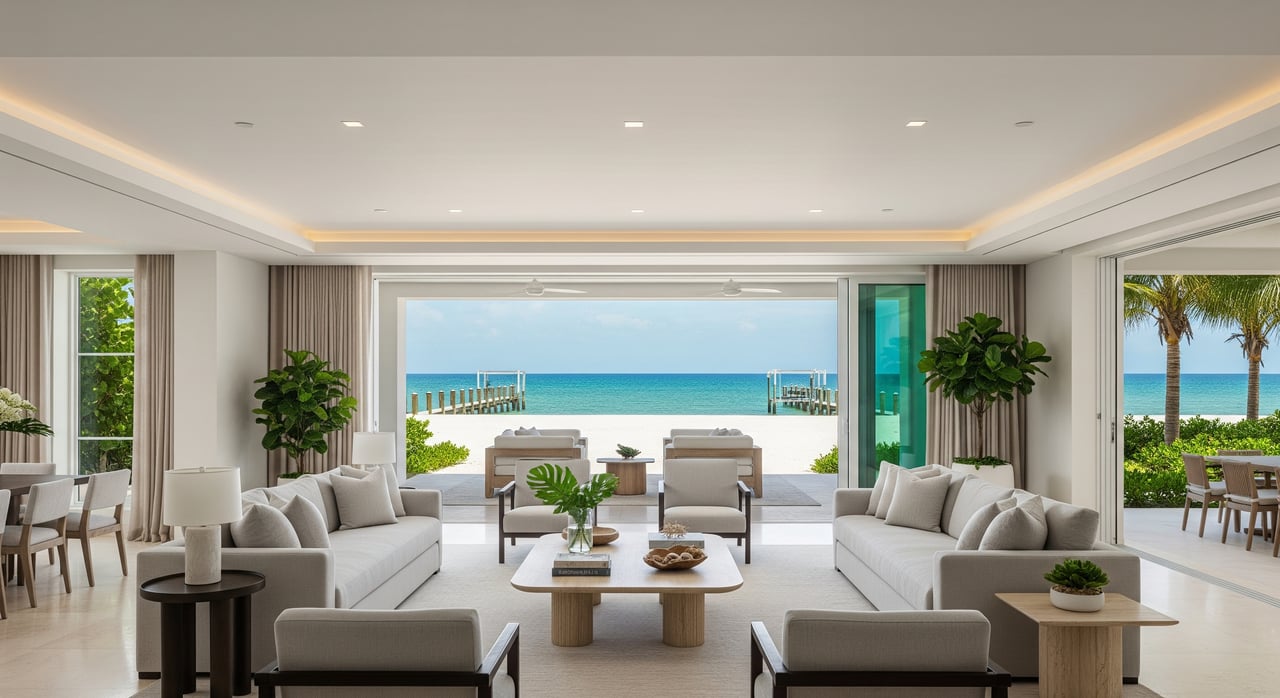
If you love morning beach walks, easy access to the water, and a quieter coastal pace, Casey Key delivers a rare, refined version of island living. You balance that beauty with practical planning for errands, seasonal traffic, and the realities of coastal ownership. With the right guidance, you can choose a home that fits your routines today and your long-term goals.
If you are exploring the island, want early access to curated on and off-market opportunities, or need a clear plan for due diligence, connect with Frank Morin for white-glove, data-informed guidance.
FAQs
Is Casey Key practical for full-time living?
- Yes. Many residents live year-round alongside seasonal owners, but you should plan for mainland errands, limited transit, and seasonal traffic.
How do you handle daily errands from Casey Key?
- Most grocery, pharmacy, and service trips are short mainland drives. Combine errands and schedule deliveries to reduce extra trips.
How busy are Casey Key beaches?
- Crowds vary by season. Winter is busier, and sunset is a popular time. Expect to use designated public access points and parking.
What should you know about insurance on Casey Key?
- Plan for flood and windstorm coverage, request an elevation certificate, and get quotes early. Mitigation features can help with premiums.
Are short-term rentals allowed on Casey Key?
- Rules are set by Sarasota County and sometimes HOAs. Confirm registration, taxes, and neighborhood restrictions before assuming rental potential.
What is the boating scene like around Casey Key?
- Very active. Calm back-bay waters are ideal for paddling and cruising, and nearby inlets provide Gulf access. Verify dock rights and ramp options.
What due diligence should you complete before offering?
- Check flood maps and elevation, insurance quotes, utilities, shoreline and vegetation rules, public beach access points, and any HOA or rental rules.