Trying to make sense of prices across The Lake Club, Country Club East, and Waterside in Lakewood Ranch? You are not alone. Each village offers a distinct lifestyle and mix of homes, and those differences show up clearly in what buyers will pay. In this guide, you will learn how amenities, lot orientation, and build eras shape value, plus a simple way to compare homes with confidence. Let’s dive in.
The three villages at a glance
The Lake Club
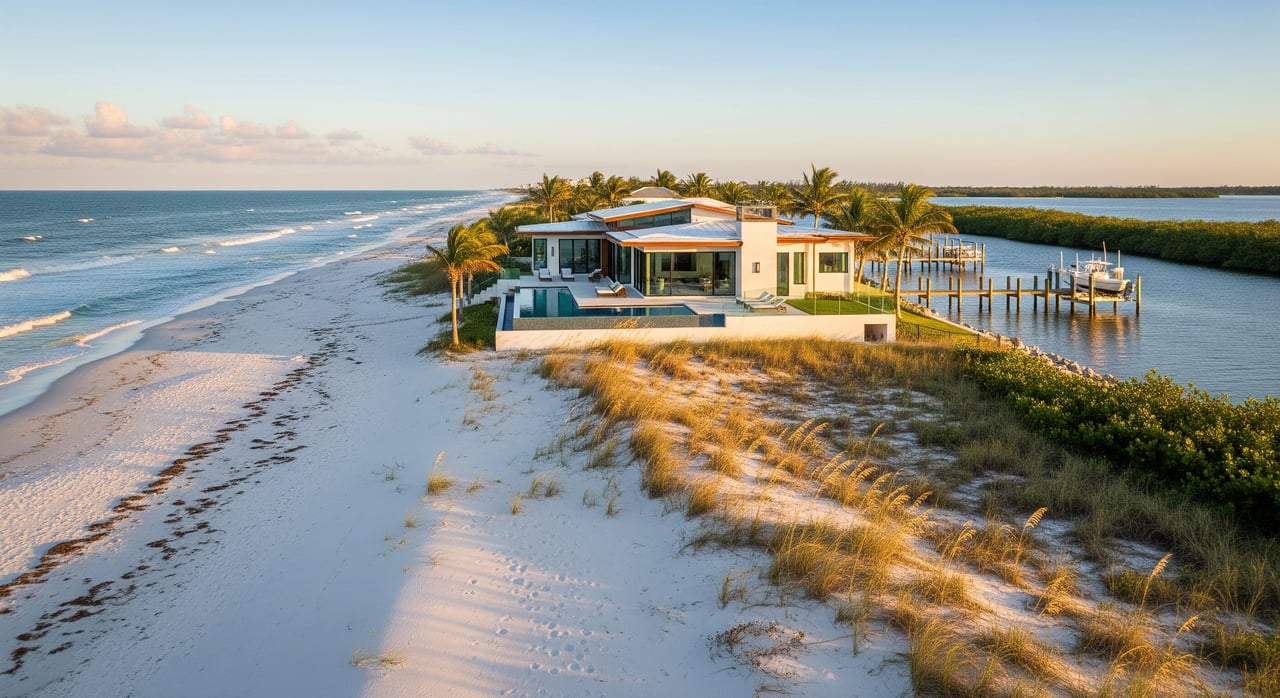
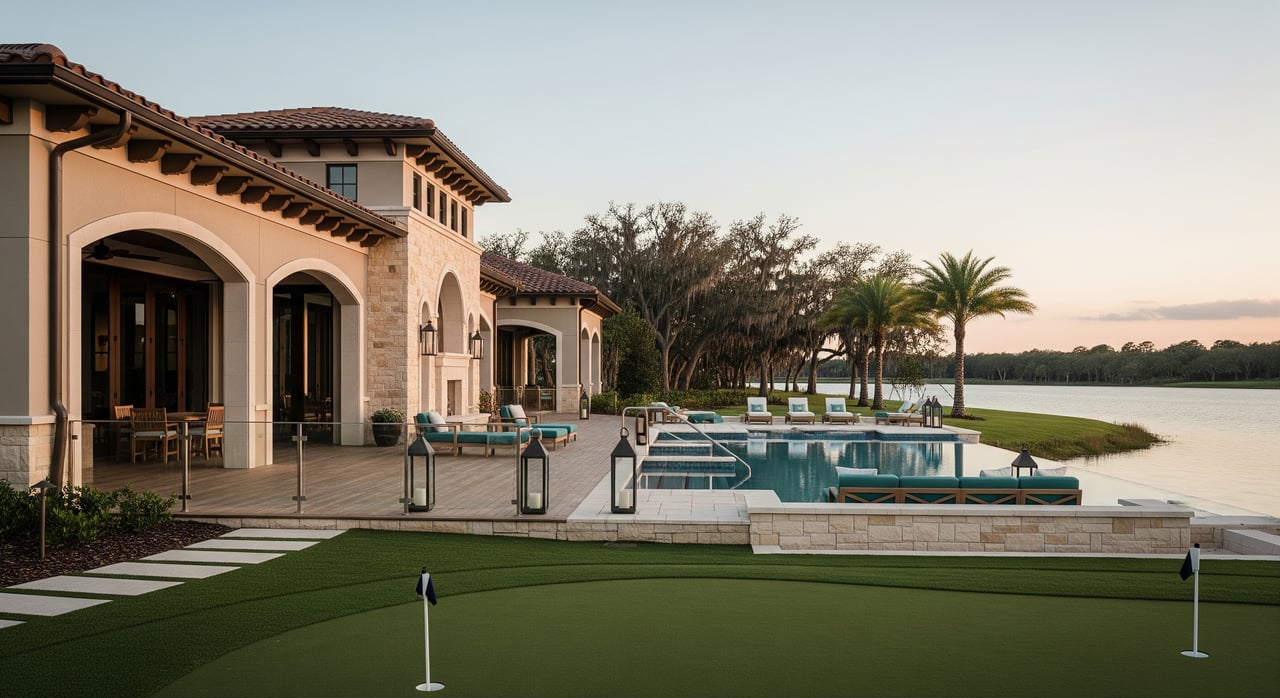
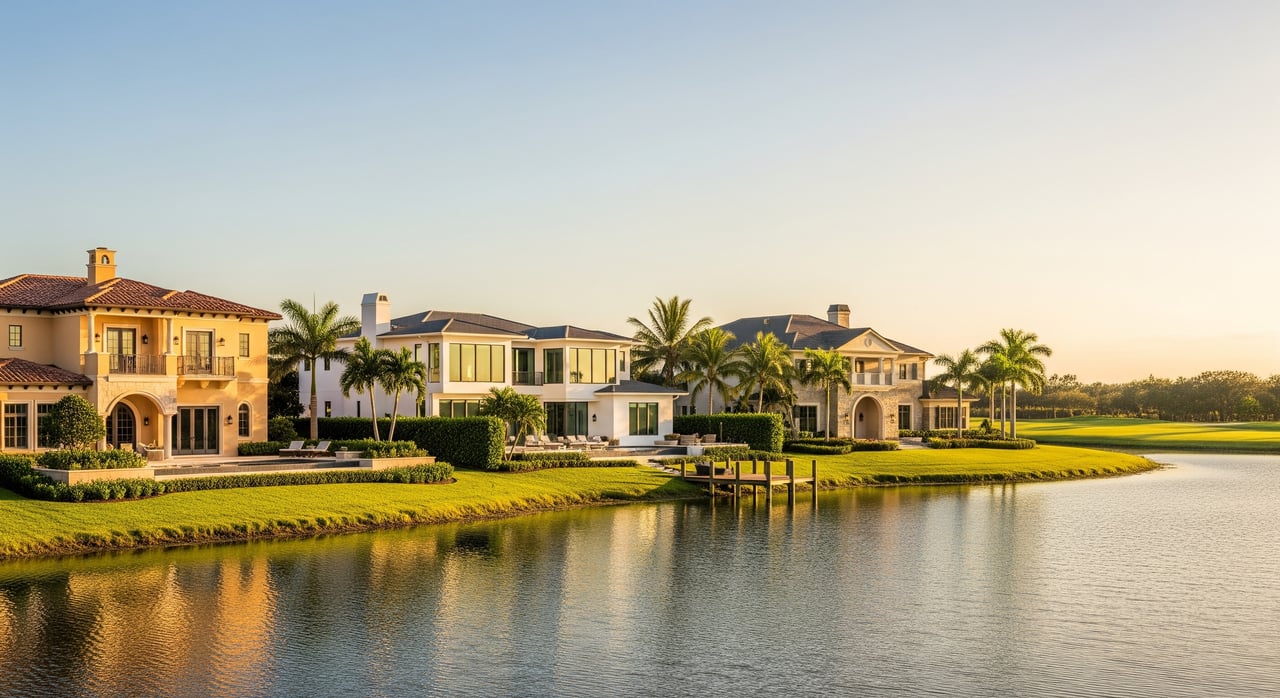
The Lake Club is positioned as a private, upscale enclave with a strong club culture and a curated amenity set. Homes tend to be custom or semi‑custom on larger lots with premium views, such as lake or golf. Buyers here expect high‑end finishes, privacy, and services that align with a luxury club lifestyle. The result is tighter inventory and higher price expectations.
Country Club East (CCE)
Country Club East is an established, gated village centered on golf and community amenities. You will find a broader mix of homes, from attached villas to single‑family properties on modest to mid‑sized lots. Many homes date to earlier development phases, so you see renovation cycles and a wider spectrum of condition and finish levels. That variety creates more entry points and micro‑markets within CCE.
Waterside
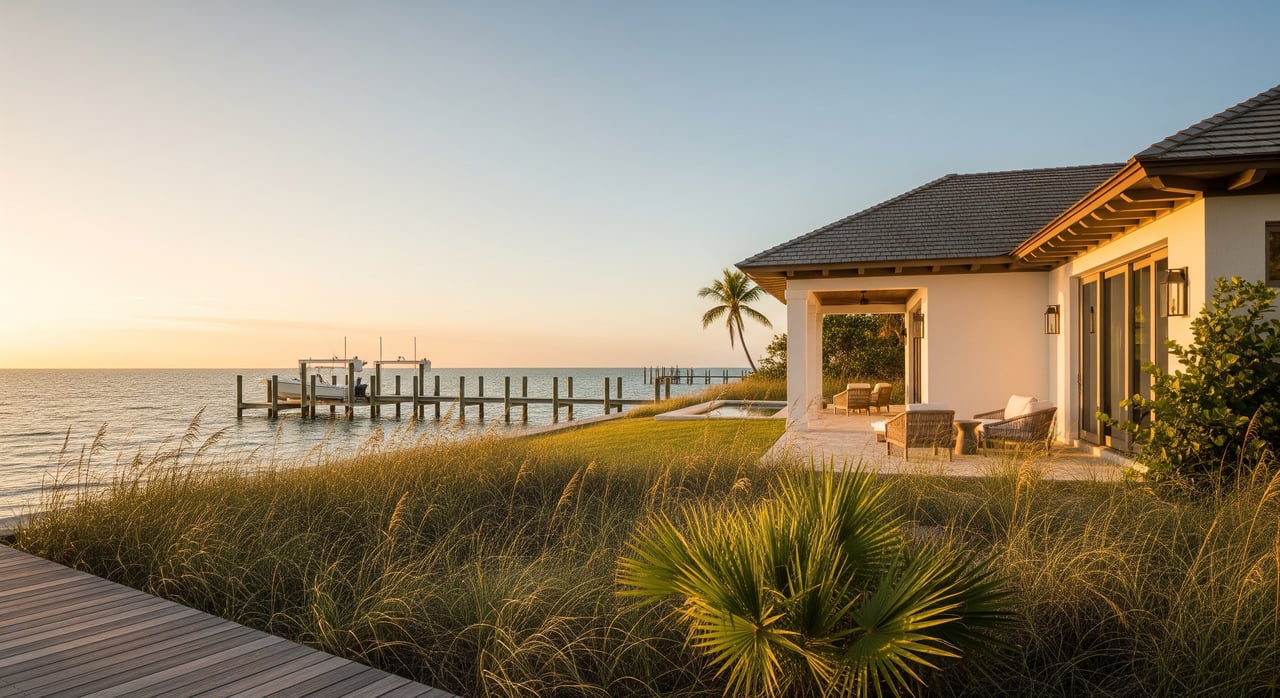
Waterside is newer and built around walkable, waterfront living with a town center feel. Housing includes townhomes, condos, and single‑family homes, with a stronger presence of attached and low‑maintenance options popular with second‑home buyers. Proximity to shops and dining and the quality of water views play a bigger role in pricing here than private‑club exclusivity.
For background on village design and amenities, the Lakewood Ranch official site is a helpful starting point.
What drives price bands in each village
Amenities and positioning
- Private club access, including golf, tennis, dining, fitness, and social programming, typically supports a premium when membership is exclusive or directly tied to the home.
- Walkable town centers, as seen in Waterside, lift values for homes closer to shops and dining. Buyers who prioritize convenience will pay for that proximity.
- Community amenity quality matters. Higher‑tier facilities influence demand and can elevate the overall market.
Lot orientation and micro‑location
Buyer preference often follows this order:
- Waterfront with direct access or expansive water views
- Golf course frontage with attractive views and privacy
- Lake or large lagoon views
- Preserve or greenbelt views
- Interior lots without views
The size of the premium varies by village. For example, waterfront and town‑center adjacency in Waterside can pull differently than golf or lake views in The Lake Club. In CCE, lot view, proximity to amenities, and updates often work together to set the final number.
Build era, floorplan, and finish level
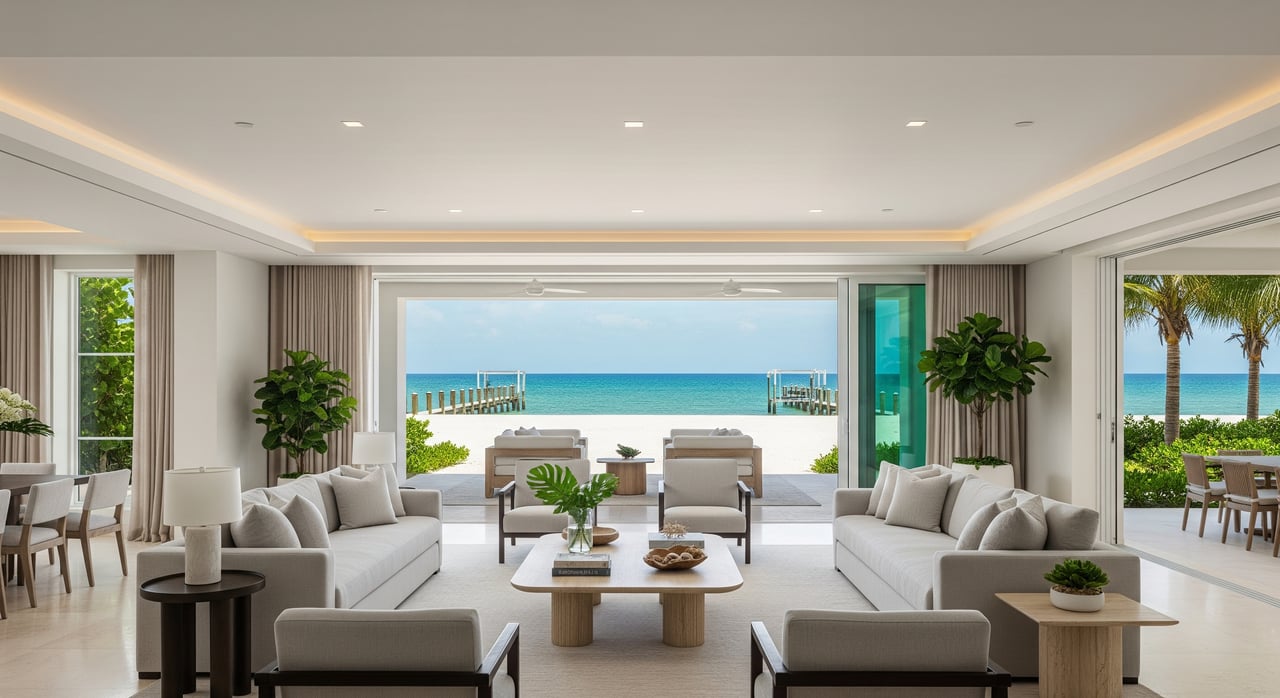
Newer homes often deliver open layouts, tall ceilings, and better energy performance, which reduces buyer renovation costs. In higher‑end settings like The Lake Club, turnkey, fully upgraded homes sell faster and more confidently. Homes with functional limitations, such as closed kitchens or limited outdoor living, can face steeper discounts in markets where indoor‑outdoor living is the norm.
HOA, club dues, and restrictions
Monthly costs and membership structures influence demand. Required memberships or higher dues may narrow the buyer pool for cost‑sensitive shoppers, while buyers who value the services may see those costs as part of the lifestyle. Always clarify whether memberships are mandatory, optional, transferable, or limited in availability before comparing prices.
External factors that shift value
- Flood zone and elevation affect insurance costs and buyer confidence. Use the FEMA Flood Map Service Center to check exposure by address.
- Commute patterns and access corridors to Sarasota, Bradenton, and Tampa matter for certain buyer groups.
- Local supply and seasonality can move prices in the short term. Regional trend context from Florida Realtors and National Association of Realtors can help frame timing decisions.
How to compare homes like a pro
1) Define your comp set
Start with closed sales from the last 6 to 12 months inside the same village and product type. If inventory is thin, extend up to 24 months and note the time difference. Do not mix single‑family with condos or townhomes without explaining why and how you adjusted.
2) Match on the right attributes
Compare apples to apples using this order:
- Property type
- Living area and usable floorplan
- Lot orientation and view quality
- Bed/bath count and primary suite location
- Build era and construction quality
- Major upgrades, pool, and outdoor living
- Garage and parking
- HOA and membership requirements
3) Adjust directionally, not by guesswork
If you must pull comps from different villages, adjust for exclusivity of amenities, lot orientation rank, build era, and finish level. Keep your adjustments directional, such as small, moderate, or large, based on patterns in closed price per square foot. Your agent can pull exact figures from the local MLS.
4) Verify the details
- Use the Manatee County Property Appraiser for year built, lot size, and tax history. The portal at the Manatee County Property Appraiser is the authoritative source.
- Confirm HOA and club dues through official documents or MLS disclosures.
- Validate flood exposure with the FEMA Flood Map Service Center.
- Use satellite imagery to check privacy, orientation, and adjacency to amenities.
5) Present comps transparently
For each comp, record sale date, price, square footage, lot orientation, build year, notable upgrades, HOA or club structure, and days on market. If you use an out‑of‑village comparable, clearly state what you adjusted for and why.
Who buys where, and why that matters
The Lake Club buyer
Affluent buyers drawn to private club living, larger lots, and high service typically shop here. They prioritize membership access, premium views, and turnkey condition. They are less sensitive to dues when the home and lifestyle align.
The CCE buyer
From move‑up buyers to empty‑nesters, CCE attracts a range of budgets. Floorplan functionality, proximity to amenities, and updated interiors often outweigh pure exclusivity. Value and condition drive decisions.
The Waterside buyer
Buyers who want walkable convenience, waterfront ambience, and low‑maintenance choices gravitate to Waterside. Proximity to dining, newer construction, and water views rank high. Condo fees, parking, and storage considerations play a larger role here.
Which village fits your goals?
- If you want privacy, a premium club experience, and larger lots, The Lake Club usually sits at the top of the pricing ladder in Lakewood Ranch.
- If you want an amenity‑rich setting with more product variety and entry points, CCE typically offers the widest range of options.
- If you want walkability, water views, and lock‑and‑leave flexibility, Waterside often delivers strong lifestyle value with a different fee structure than private clubs.
Your data checklist before you write an offer
- Pull the last 6 to 12 months of closed sales for your exact product type and village through MLS.
- Separate comps by lot orientation: waterfront, golf, lake, preserve, interior.
- Calculate median price per square foot and days on market for each group.
- Verify year built, lot size, and legal descriptions with the Manatee County Property Appraiser.
- Confirm HOA and club dues, and whether memberships are mandatory or transferable.
- Check flood zone status through the FEMA Flood Map Service Center.
- Frame timing using broader trend context from Florida Realtors and NAR.
- For population and growth context, review U.S. Census Bureau QuickFacts for Manatee County.
Final takeaways
- The Lake Club typically leads pricing because of exclusivity, larger lots, and luxury finishes.
- CCE spans more price points due to varied product, renovation cycles, and orientation differences.
- Waterside’s value is defined by walkability and water, with premiums tied to view, proximity to the town center, and low‑maintenance living.
- Across all three, the biggest pricing levers are amenities, lot orientation, build era, and condition. Validate with closed sales, not list prices.
Ready to map your budget to the right village and lot orientation? For a tailored, data‑driven strategy, connect with Unknown Company to Request Your Complimentary Home Valuation.
FAQs
How do prices compare across The Lake Club, CCE, and Waterside?
- The Lake Club generally sits at the top due to private‑club amenities and larger lots, CCE offers broader entry points across product types, and Waterside is driven by walkability and water‑view premiums.
Which lot orientations usually command the highest premiums in Lakewood Ranch?
- Waterfront and golf course frontage typically rank highest, followed by lake and preserve views, with interior lots at the base of the range. The exact premium varies by village and current demand.
How does the age of a home affect pricing in these villages?
- Newer build eras with open layouts and updated systems support stronger pricing, while homes needing major updates may sell at a discount relative to turnkey properties.
What role do HOA dues and club fees play in value?
- Higher dues can limit cost‑sensitive demand, but buyers who value the services and exclusivity may see them as part of the lifestyle, which can support pricing.
How can I check flood risk for a specific address in Lakewood Ranch?
- Use the FEMA Flood Map Service Center to look up the property’s flood zone and discuss insurance implications with a local expert.
What is the best way to build accurate comps before making an offer?
- Use recent closed sales in the same village and product type, match on orientation and build era, verify details with the Manatee County Property Appraiser, and adjust directionally for amenities and condition.